Creating a relaxing bedroom is vital. Not just for your mind, but also for getting better sleep. If your bedroom doesn’t give you that peaceful feeling when you walk in, then it’s definitely about time to change that. After all, your bedroom should be the place where you can flee the day-to-day stress, relax, and recharge your batteries. So, in this post, I’ll guide you through the steps needed to create a relaxing bedroom that promotes rest.

How to Create a Relaxing Bedroom: Your Ultimate Guide
1. Clear The Clutter
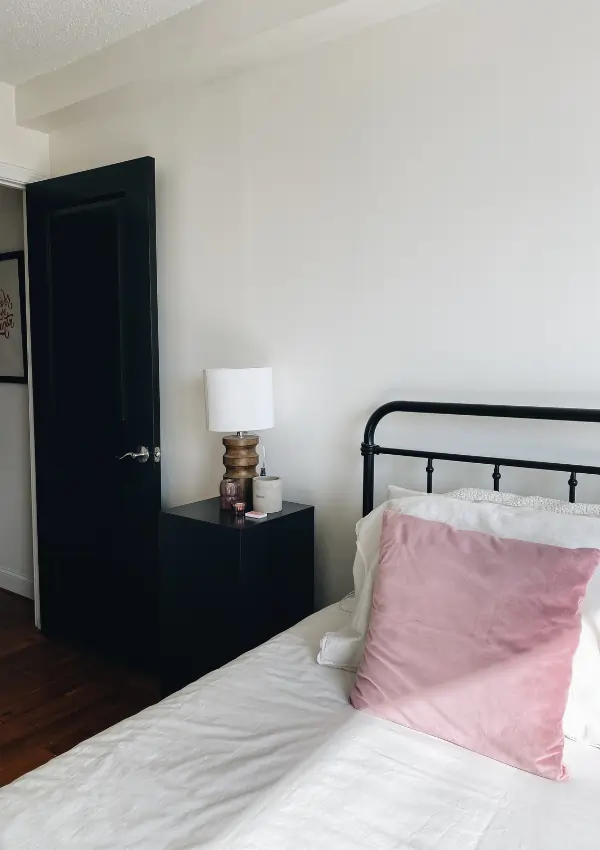
This is the most obvious step, but I find it also the most important. Your bedroom could tick all the boxes for a relaxing space, but if it’s full of clutter, it will never truly feel peaceful. Actually, your bedroom doesn’t need much: a bed, a closet or dresser, and maybe a vanity.
In its simplest form, your space is probably already pretty minimal. But sometimes, that can become a problem because then you might think there’s enough space to just clutter it up, right?
So, make it your mission to keep your space free from mess.
8 Tips for a Clutter-Free Bedroom
- Designate Storage Spaces
Make sure everything has a spot. Use shelves, drawers, and storage bins so your stuff isn’t just thrown around. - Declutter Regularly
Set aside time each month to go through your things and get rid of what you no longer need. Less clutter means a calmer vibe. - Keep Surfaces Clear
Try not to use your bedside table or dresser as a drop-off spot. A tidy surface makes the room look bigger and feels way more relaxing. - Take Care of Piles of Laundry
When laundry starts piling up, it can create nothing but stress and clutter. You could opt for a stylish laundry basket to keep the clutter out of the way. Try to make it a habit of doing small loads regularly, rather than letting them pile up. - Create a “Drop Zone”
Designate a specific spot for your keys, wallet, or cell phone. Having a go-to place for your essentials helps prevent clutter from spreading. - Use Hidden Storage
Get clever with baskets, under-bed boxes, or furniture with built-in compartments. - Follow “One In, One Out”
When you get something new, like clothes or gadgets, try to remove something old. This keeps clutter from piling up. - Keep the Floor Clear
Avoid leaving clothes, shoes, or other items on the floor. A clear floor makes the space feel bigger and more peaceful, which helps you relax when you’re winding down. - Get Organized
Create a dedicated, organized space for your essentials, such as a well-arranged closet or a designated drawer, so that getting ready in the morning is quick and effortless. This helps avoid the ‘where’s everything?’ feeling, so you can start relaxed into your day. - Minimal Decor
Try to limit decorative items to only those things that are truly meaningful and that also lift your mood. Also, be honest with yourself about what really matters and what doesn’t. I know I used to think everything had to be kept because it was ‘meaningful,’ so I’d never throw anything away. That’s basically the go-to recipe for keeping your bedroom looking like a mess.
2. Soothing Colors
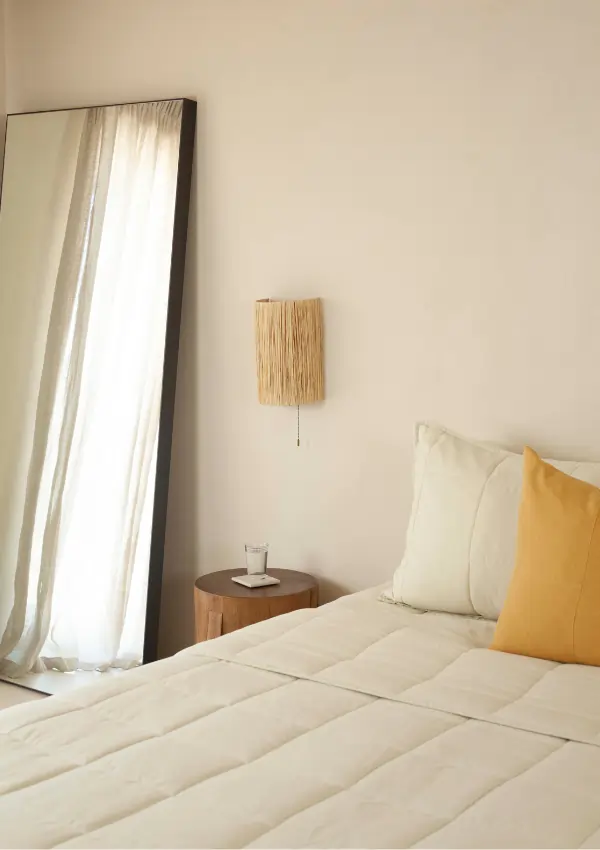
Yeah, I know—most of you probably already have a finished bedroom and might not feel like renovating the entire space. Maybe you’ve also already painted the walls of your bedroom in soothing colors, which is a definite plus.
However, if you’re moving or just want to give your bedroom a fresh, more relaxing ambiance, then use these colors for inspiration.
(And if you don’t want to do a full renovation, you can still incorporate these colors through decor, curtains, blankets, pillows—you name it.)
- Soft Blue
Creates a peaceful, serene vibe — a great choice for relaxation. - Lavender or Light Purple
Offers a gentle, soothing energy that’s perfect for winding down. - Beige or Warm Neutrals
Keeps things warm and cozy without overwhelming the space. - Muted Green
Brings a touch of nature indoors and reduces stress. - Gray or Slate
A calming color that goes well with just about anything. - Pastel Pink
Soft and comforting, adding a subtle, relaxing warmth.
Any of these shades work well for walls or decor, and you can mix and match based on what feels most calming to you.
3. Let There Be Light
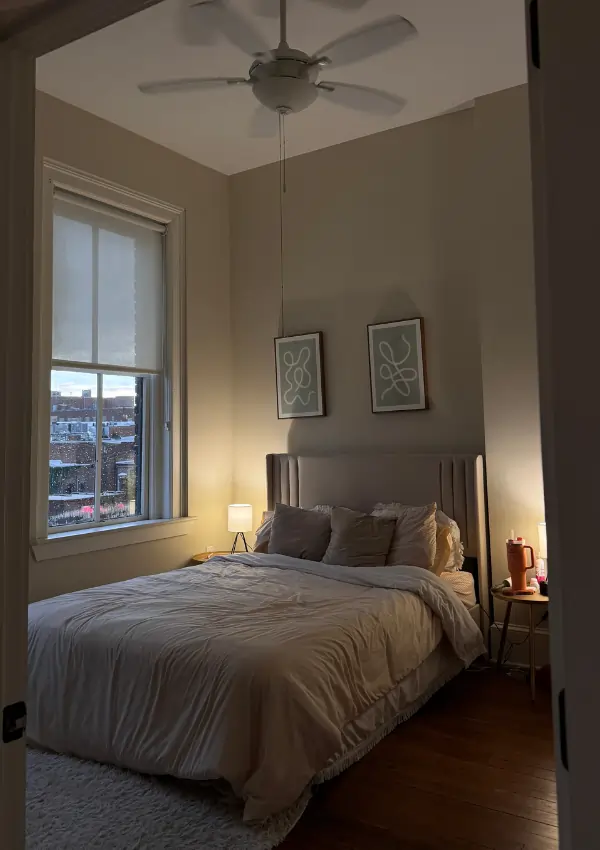
Nailing the lighting is so important if you want to create a relaxing bedroom.
The key is to have well-rounded lighting throughout the day: plenty of natural or bright light during the daytime, warm lighting in the evening or before bed, and absolute darkness when it’s time to sleep.
Now, here are some tips on how you can achieve this balance:
- During the day:
Open up those curtains or blinds to let in lots of natural light. Sunlight is just an instant energy boost. Plus, it helps regulate your sleep-wake cycle, especially if you get sunlight right when you wake up. - In the evening:
Switch to dimmable lamps or soft bedside lights. A cozy, warm glow sets the perfect chill mood before bed. Avoid bright, overhead lights or blue-toned bulbs—they can make you feel more alert instead of relaxed. - Nighttime:
Use blackout curtains to block outside light if needed. When it’s time to sleep, complete darkness is best. It basically lets your body know it’s time to drift off to sleep. (During the day, you can keep the window treatments light and airy for a relaxing, breezy feel) - Additional tips:
Stick to warm-colored bulbs in the evening; cool or harsh lights can interfere with sleep. And if you’re using any screens, try to turn them off at least 30 minutes before sleeping (preferably even more) to avoid blue light, which messes with melatonin production.
4. Good Mattress & Bedding
It’s obviously not just about how your bedroom looks but also how it feels. It could look super relaxing, but if you wake up feeling nothing but pain, then it’s definitely time to reconsider your mattress and bedding.
Of course, this really depends on your personal preferences and what works best for you, but here are some tips to keep in mind when purchasing a mattress and bedding:
- Pick a comfy, supportive mattress:
Memory foam or hybrid options are popular because they hug your body and help you relax into deep sleep. Find one that feels right for you. Soft yet supportive is your best bet. - Go for breathable bedding:
Look for high-quality fabrics like soft cotton or linen because they keep you cool and comfortable all night long. - Layer it up:
Use plush blankets, a cozy duvet, or comforter. Being able to add or remove layers makes it adaptable to the weather or your mood. - Support your sleep with good pillows:
Choose pillows that support your preferred sleeping position. Whether you’re a side sleeper, back sleeper, or stomach sleeper. It can totally improve your comfort and relaxation. - Important:
Let’s be honest, nothing beats the feeling of jumping into freshly washed bedding. So, it’s recommended to wash your bed sheets regularly (at least once every two weeks, pillowcase even more often) for the best feeling.
5. Add Textures
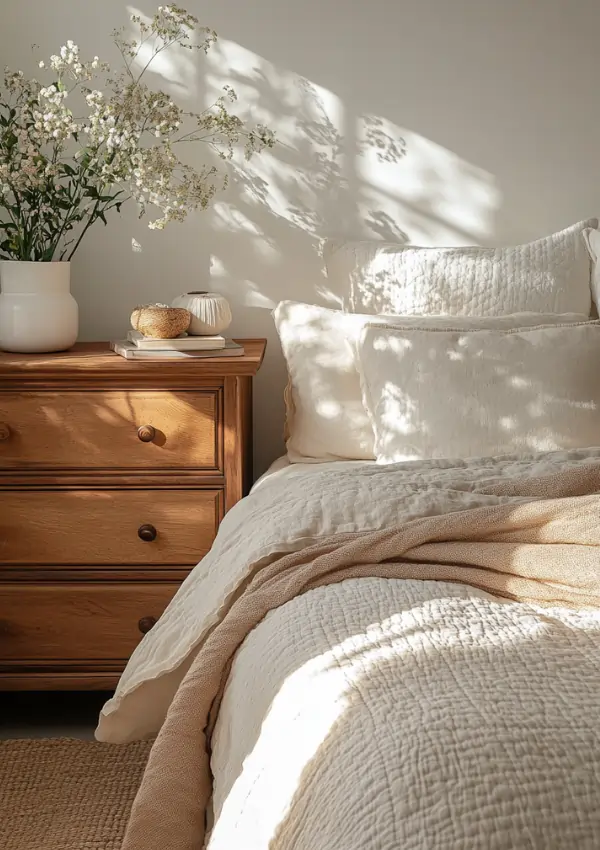
Adding texture is the easiest way to keep your bedroom cozy. But we want to keep the bedroom relaxing, so finding a balance here is super important.
Here are some tips to help you:
- Start with a neutral base: Choose a simple, calming color palette for your bedroom walls and large furniture pieces. This creates a serene backdrop that makes layering textures easier and less overwhelming. (Again, if you don’t want to repaint your room, you can achieve this by adding textiles, decor, and accessories in neutral or soft tones to create a similar calming effect.)
- Pick a few key textures: Focus on 2-3 main textured elements, like a soft rug, plush pillows, and a cozy blanket. These should complement each other without crowding the space.
- Balance rough and smooth: Combine soft textures (like silk or velvet) with more natural or rougher textures (like rattan or linen). This contrast adds interest without chaos.
- Keep the arrangement intentional: Arrange your textiles thoughtfully, folded blankets neatly placed, pillows in harmonious colors, and rugs that anchor the space, so everything feels calming.
- Use repetition: Repeating certain textures or colors across different elements helps create harmony and flow, preventing the room from feeling chaotic.
- Less is more: Avoid filling every surface with textures. Leave some areas open and simple to keep the space peaceful and uncluttered.
6. Keep Work Outside
Working from home has become super common over the years, and if you have the option, really try to keep your workspace separate from your bedroom. Your bedroom should be a space for relaxing and unwinding, and it should be associated with calm and rest, not work, stress, projects, or deadlines. Everything that doesn’t reinforce that peaceful vibe can stay right outside!
If space allows, consider setting up a small work corner in your living room instead. For example, a foldable desk or a compact corner desk can fit into almost any area, won’t take up too much space, and can be tucked away when not in use.
7. Create Routines

A bedroom should not only look relaxing, and feel relaxing when you see it. But it should also feel that way in your routines. Everything should have a place, feel intuitive, and be effortless to maintain. I find this so important because a calm, organized environment truly helps you unwind and start each day feeling refreshed.
- Every Item Has a Place: This helps to minimize clutter and also makes tidying up super easy. Also, pay attention to furniture placement. Arrange your furniture so that everything you need is within easy reach. Keeping your bed, nightstand, and essentials accessible without stretching or hunting makes your routines smoother and more enjoyable.
- Get Organized: Create a dedicated, organized space for your essentials, such as a well-arranged closet or a designated drawer, so that getting ready in the morning is quick and effortless. This helps avoid the ‘where’s everything?’ feeling and allows you to start the day relaxed.
- Simplify Routines: Make your daily and nightly routines effortless by planning ahead. Keep your pajamas, skincare, and essentials close by. Perhaps in a well-organized drawer or a dedicated shelf, so you don’t waste time searching and adding stress at bedtime.
- Create Flow and Ease: Arrange your furniture in a way that makes moving around effortless. Clear pathways and accessible storage help streamline your routines. Like grabbing your favorite book, laying out clothes for the next day, or quickly tidying up.
- Maintain Consistency: Like going to bed and waking up at similar times helps your body relax into a natural rhythm, making your bedroom a true sanctuary.
8. Limit Noises
If you’re a light sleeper like me, then it’s really important to manage the noise around you. Whether it’s traffic, neighbors, or any other sounds, they can prevent you from reaching deep, restful sleep. And nobody wakes up feeling good after a night of disturbance. Personally, I always wear earplugs.
I know some experts say you get used to them, and that might be a bad thing, but I really don’t care. It’s the best way I’ve found to get quality sleep without being awakened by noise.
Of course, you could also try a white noise machine or blackout curtains. They can help block out some of the sounds, too.
9. Take Care of Temperature
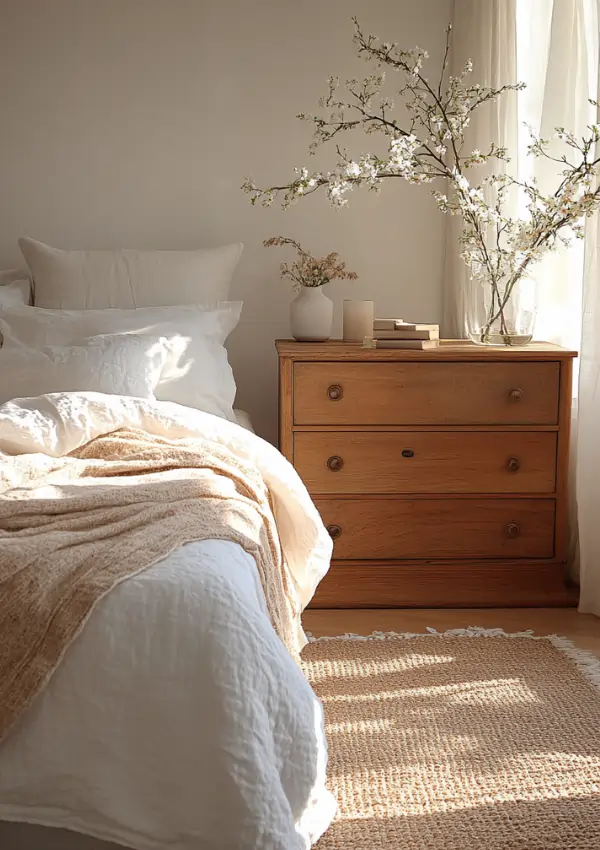
Ever slept in a room that felt like a sauna? Well, the chances of sleeping well in that room are pretty much zero. Either you can’t fall asleep, or you keep waking up. So, keeping your room cool is the way to go for the best sleep.
The ideal temperature is around 60-67°F (15-19°C), which helps your body wind down naturally, fall asleep faster, and wake up feeling more relaxed.
Like I mentioned before, if you want to create a relaxing bedroom, it’s not all about the looks. A proper climate matters just as much.
Here’s what you can do to keep your bedroom at the perfect temperature:
- Use a thermostat or smart thermostat to set and maintain a consistent temperature.
- Open windows or use fans during the day to cool down the room before bedtime.
- Use space heaters or portable heaters in colder months to add warmth without overheating the entire house.
- Switch to breathable bedding like natural cotton or linen, which helps regulate temperature.
- Adjust your sleepwear—wear lightweight, moisture-wicking pajamas in summer, and warmer options in winter.
- Use blackout curtains or blinds to block out sunlight during the day and keep the room cooler.
- Place a bowl of ice or cold packs in front of a fan for an extra DIY cooling boost when it’s really warm.
Getting this right makes a huge difference in the quality of your sleep.
10. Try Aromatherapy
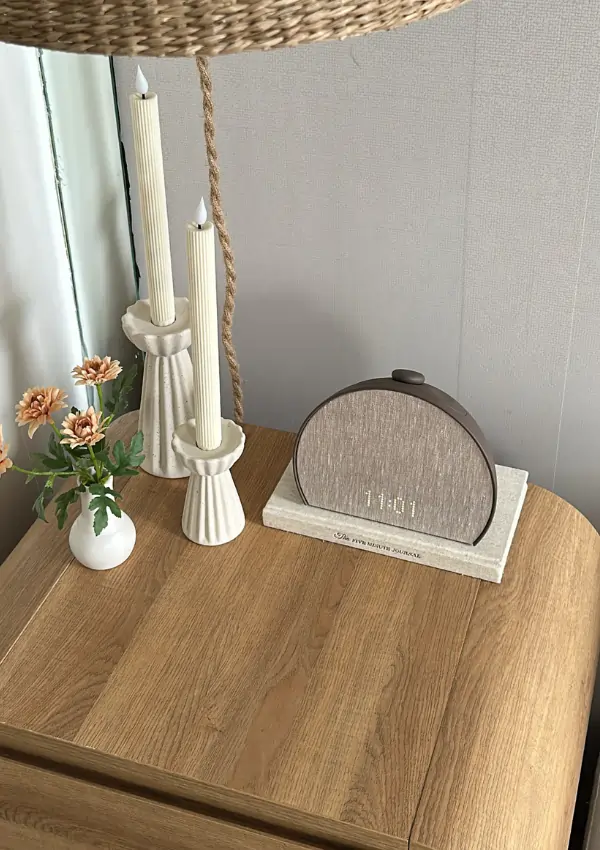
If you’re really sensitive to smells and know that strong scents will keep you from sleeping, then this tip isn’t for you.
Otherwise, experts say that aromatherapy can help create a relaxing sleep environment and improve sleep, especially with calming scents like lavender or chamomile.
You could also add a few drops of essential oil to your pillow or pillow spray to signal to your brain that it’s time to unwind.
For a win-win situation, try burning a scented candle, so you get cozy lighting and a soothing aroma that promotes better sleep.
11. Create a Bedtime Routine
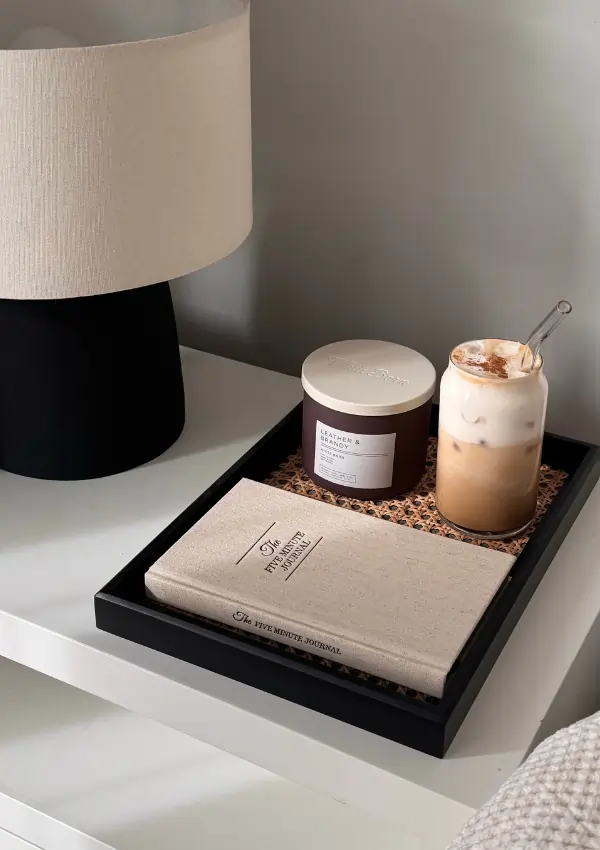
Last but definitely not least, creating a bedtime routine is one of the best ways to get a good night’s sleep. And it also helps set a relaxing atmosphere. The reason is simple: when you consistently follow calming activities before bed, your mind and body start to associate these actions with sleep. And it just makes it easier to fall asleep and stay asleep longer. Plus, it reduces stress, which is exactly what we need after a busy, stressful day at work. Also, your routine doesn’t have to be hours long. It should just be long enough that you feel absolutely relaxed.
Here’s a sample routine you can tweak to fit your needs:
- Turn off screens at least 30 minutes before bed: Put away your phone, laptop, and TV to reduce blue light exposure, which can interfere with melatonin production.
- Get into your pajamas and maybe do a bit of skin-care or a brief meditation (2-3 minutes): This signals to your brain that it’s time to relax and start winding down.
- Adjust your environment: Dim the lights, set your room to a comfortable temperature, and maybe light a calming candle or use aromatherapy with lavender if you like.
- Read a book or listen to music. Just make sure either will get you into a relaxed state. (10-15 minutes). Choose light, positive content. Avoid work emails or TV shows that might wake you up.
- Do a few gentle stretches or deep breathing exercises (5-10minutes). While doing this, try to focus on just letting all the stress go and relaxing. Try deep inhaling through your nose and slowly exhaling through your mouth.
In the Morning
There’s nothing better than the sight of an already-made bed! So, try to make this a habit because your bedroom will look way more put together, and you’ll feel better, too.
You can adjust the time of course!
And there you have it—the ultimate guide to creating a relaxing bedroom! As you can see, it’s easier than you might think, and these tips work even if you’re not looking to do a complete remodel, which is totally understandable. Just adjust and implement what feels right for you, and you’ll end up with a calming space that helps you unwind after stressful days and enjoy the best sleep.
This post showed you how to create a relaxing bedroom
Other posts you’ll like
How to Overcome Sleeplessness Tonight: 9 Tips
24 Spa-Like Small Bathroom Ideas You Can Recreate On A Budget
26 Bedroom Refresh Ideas on a Budget You Can Try Today
32 Essential Items: Your Ultimate Bedroom Essentials List
Some links here are affiliate links, which means I get a small commission if you buy something, at no extra cost to you.